

Awareness Program Calls for Protection of Kaligandaki River Amid Government’s Dam and Diversion Proposals
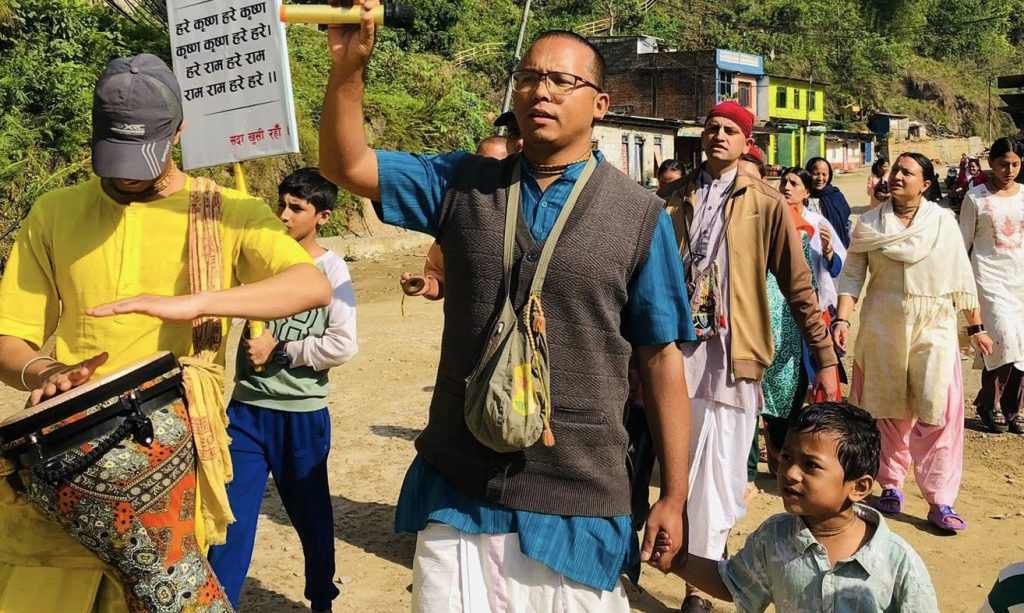
On Baishakh 25, 2082, a powerful awareness program was held in Baglung, where hundreds of devotees gathered to voice concerns over the proposed Kaligandaki Dam and river diversion projects. The event, organized by ISKCON Gandaki, began with a vibrant Nagar Kirtan (a public chanting of sacred mantras) that took place in Maldhunga, spanning across both Baglung and Parbat. The procession, filled with devotion and spiritual energy, led participants to the venue where the main program took place. This auspicious start to the event emphasized the deep spiritual connection of the Kaligandaki River to the hearts of its devotees.
The President of ISKCON Nepal, Paramesvara Achyuta Das, delivered a heartfelt message urging the government of Nepal and relevant authorities to reconsider the proposed developments. He warned that such projects could not only disrupt the river’s natural flow but also harm the sacred temples, spiritual landmarks, and pilgrimage sites that line its banks. Paramesvara Achyuta Das pointed out that the river is home to numerous temples and sacred places that are vital to the spiritual life of Nepal. These sites need to be protected and preserved for future generations.
He specifically named several important locations along the Kaligandaki River that are of deep spiritual significance, such as Damodar Kunda in Mustang, a holy lake associated with Lord Krishna; Muktinath Temple, a revered site for both Hindus and Buddhists; Galeshwar Mahadev in Myagdi, dedicated to Lord Shiva; Kalika Temple, Shaligram Museum, and ISKCON Gandaki Laxminarayan Temple in Baglung; Narsimhadham Modiveni in Parbat; and Setibeni, Malunga, Uttarvahini, Ruru Kshetra, Devghat, Gajendra Moksha Dham, and Triveni, among others.
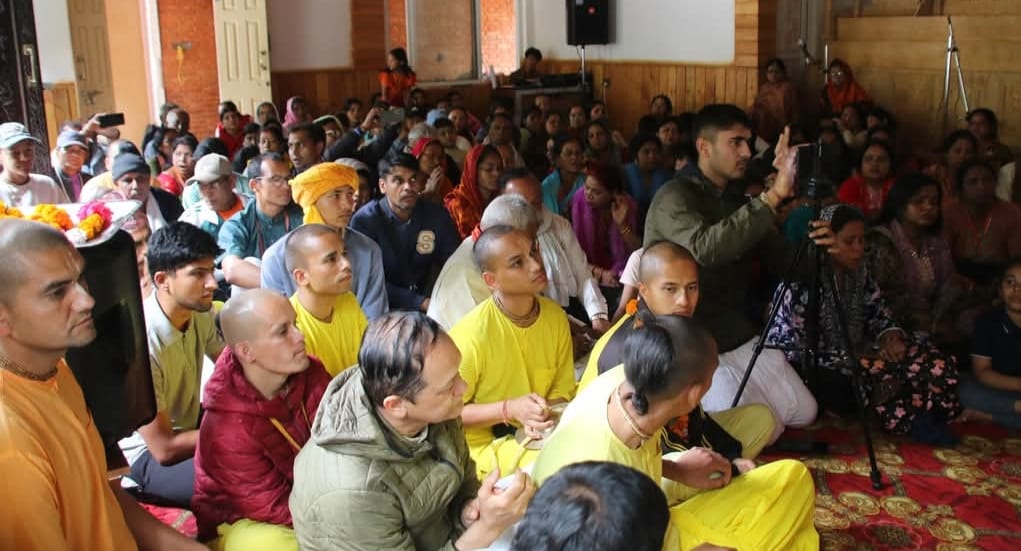
Other respected speakers at the event, including Jagatguru Giridhari Das and Bhuvan Khadka, also expressed their concerns over the potential harm these projects could cause to the river’s spiritual and ecological sanctity. They called for the preservation of the river and its sacred sites, which serve as centers of spiritual nourishment and cultural heritage for people across Nepal.
The awareness program served as a strong reminder of the need to protect the Kaligandaki River, urging the government to rethink any projects that might jeopardize its natural and spiritual integrity. The call was clear: any development in the region must prioritize the preservation of these sacred landmarks, as well as the river’s ecological health, to ensure the long-term benefit of the local communities and the spiritual well-being of the nation.
Participants in the program collectively voiced their concerns and urged for sustainable development solutions that will safeguard both the environment and the rich spiritual legacy of the Kaligandaki River. The event emphasized the importance of balancing progress with the protection of Nepal’s profound spiritual and cultural heritage, ensuring that the river continues to serve as a vital resource for both spiritual seekers and local communities for generations to come.
