

The Kaligandaki River, coursing through Nepal’s rugged terrain, stands as one of the most significant natural, cultural, and ecological features of the country. Kaligandaki winds through the majestic Himalayas, carving a path of nearly 430 kilometers before merging with the Ganges River in India. Beyond being a river, the Kaligandaki is an enduring symbol of life, spirituality, and resilience, interwoven into the fabric of Nepal’s history and its people’s identity.
Ecologically, the Kaligandaki River is nothing short of a lifeline. It is home to an astounding array of biodiversity, from hundreds of species of fish and birds to various flora and fauna that thrive in its diverse ecosystems. The river’s fertile basin sustains agriculture, while its tributaries nourish the landscapes surrounding it, supporting both human communities and wildlife. The majestic mountain ranges of Annapurna and Dhaulagiri provide a stunning backdrop, but it is the river’s flow that sustains life across the valley floor. The Kaligandaki is a critical water source, supporting the livelihoods of thousands who depend on its waters for irrigation, drinking, and agriculture.
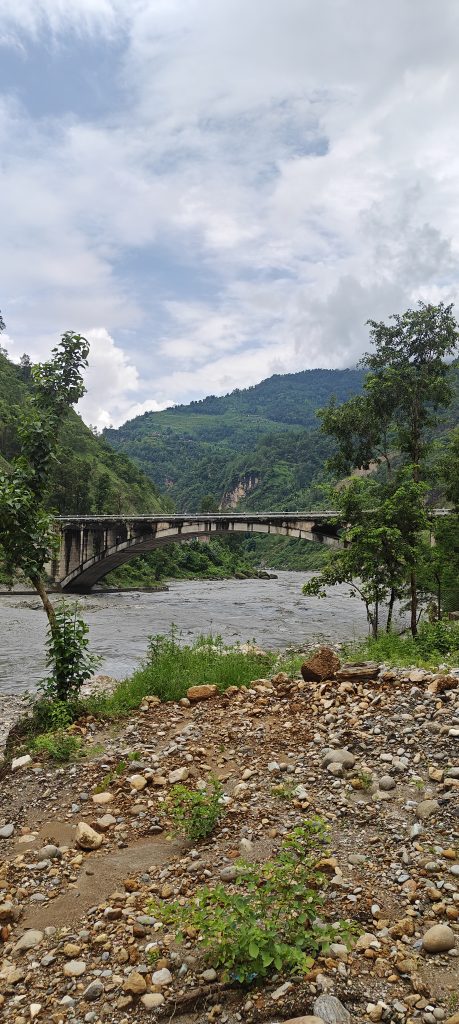
In addition to its ecological importance, the Kaligandaki holds deep religious and cultural significance. Revered as a sacred river in Hinduism and Buddhism, the river has long been a center for pilgrimage. The famous Muktinath Temple, located along its banks, draws thousands of Hindu and Buddhist devotees every year. The river is also home to the Shaligram shila, which are considered sacred by Hindus, as they are believed to represent Lord Vishnu. This spiritual connection goes beyond worship; it is a profound relationship between the people and the river that has persisted for centuries. The Kaligandaki is not just a waterway but a divine presence in the lives of those who live by it.
Historically, the Kaligandaki has been central to the growth and development of civilizations in the region. It has facilitated trade between Nepal, Tibet, and India for centuries, fostering cultural exchange and economic prosperity. The river has also played an essential role in agriculture, providing fertile soil for farming and supporting a thriving rural economy. The local communities have relied on its waters not only for sustenance but for a sense of continuity and connection to the land.
The Kaligandaki is also crucial to the functioning of the broader ecosystem. Its water flow influences regional weather patterns, contributing to climate stability in the area. Additionally, it sustains groundwater systems, maintaining the water balance necessary for both the local environment and its inhabitants. The river’s role is integral to the hydrological cycle, ensuring the stability and sustainability of the ecosystem.
In summary, the Kaligandaki River is far more than a geographical feature; it is a cornerstone of life in Nepal. It nurtures the land, sustains diverse ecosystems, and supports a rich cultural and spiritual heritage. As the lifeblood of the region, the Kaligandaki must be cherished, protected, and preserved. Its significance is not just a matter of local importance but one that reverberates globally. Ensuring the river’s preservation is a responsibility we all share, not only to respect the past but to secure a thriving future for generations to come.
